 钜亮五金-精密五轴数控加工服务


24H咨询热线:
180-2756-7310















定制服务热线
180-2756-7310

专业服务、快速报价
提供建模、免费改模
质量问题、免费重做
顺丰包邮、可开专票
CNC batch processing part production skills
发表时间: 2025-07-16 09:42:12
作者: 东莞市钜亮五金科技有限公司
浏览:
Simplify success: Basic tips for efficient CNC batch processing part production
In today's demanding manufacturing environment, it is crucial to effectively produce high-quality parts. Whether you are creating prototypes that transition to production or implementing large-scale orders, CNC machining remains the cornerstone technology. As a professional five-axis CNC machining manufacturer, Greatlight brings decades of expertise to dining tables, with advanced equipment and sophisticated production technology to effectively solve complex metal parts challenges. We excel in a wide range of scenarios, always providing precise parts supported by one-stop post-processing and finishing services. To ensure your next batch project runs smoothly and cost-effectively, consider these key tips extracted from our experience in optimizing CNC batch production.
1. Manufacturable Design (DFM) Early:
Don't wait for the machinery workshop to find potential bottlenecks. During the design phase, make your processing partners look like Greatlight. Key DFM inspections for batch production include:
- Minimize complex settings: Designing parts that require minimal or complex fixed rotation on the machine. Five-axis functionality (like ours) provides flexibility, but simplifying the core geometry greatly reduces the setup time for each section.
- Standardized functions: Use common hole sizes, corner radius and thread types where possible. This minimizes the change in the tool during the machining cycle.
- Optimized tolerances: Specify only the tolerances that are absolutely necessary for the function. Stronger tolerances increase machining time, require more frequent tool changes/checks, and can increase waste rate.
- Consider wall thickness and material removal: Make sure the walls are thick enough to avoid vibrating during processing. Minimize the amount of raw materials that need to be removed.
2. Strategic Material Selection and Stock Management:
- Choose wisely according to the quantity: Although the material is determined by the function of the part, consider the machining characteristics of large quantities. Some alloys cut and create tool wear faster than others. Discuss alternatives with your provider - Sometimes slightly different grades can provide significant productivity gains without compromising performance.
- Standardized stock size: Where possible, design parts to utilize standard strips, plates or billet sizes. This minimizes material waste and reduces costs. Greatlight leverages its supply chain expertise to efficiently source the best inventory for your batch run.
- Material Flow Plan: Ensure sufficient, organized supply of raw materials throughout the production cycle to avoid machine downtime. Instant delivery managed by your processing partners can optimize inventory costs.
3. Host settings and tool optimization:
- Special fixation: For large batches, invest in carefully designed, robust custom fixtures. The correct fixture safely holds the parts and can be loaded/unloaded quickly, greatly reducing non-cutting time and ensuring position accuracy after operation. Greatlight Engineer efficient fixtures for complex parts with five-axis milling.
- Tool Life Management (TLM): This is very important. Implement a strict TLM procedure:
- Use high-quality coated carbide tools optimized for materials.
- Pre-determined optimal cutting parameters (speed, feed, cutting depth) and stick to them.
- Schedule tool changes based on runtime/part counting, not failure. Preventive changes avoid putting parts in the middle.
- Use the tool to preset external carriers for consistency and speed settings.
- Optimize camera strategy: Maximize material removal (MRR) by using the High Efficiency Machining (HEM) tool paths to maintain consistent radial and axial depth while protecting tools. All potentials are processed simultaneously using five axes of complex geometric shapes in a single setup.
4. Implementation process automation and real-time monitoring:
- Automate what you can: For very large batches, explore the robot parts loading/unloading system to make the machine extension light (unattended). The pallet changer can also simplify production by allowing the next section to be set up when the current machine is currently available.
- Utilize monitoring system: Use machine monitoring software (such as Greatlight hire) to track cycle time, spindle utilization, tool life and machine status in real time. This can actively intervene before the problem causes downtime or waste, thus providing valuable data for continuous improvement.
5. Strict quality control throughout the process:
- The First Article Check (FAI) is crucial: Perform comprehensive FAI using CMM (Coordinate Measuring Machine) or Advanced Scan. This will verify programs, settings, and tools before the entire batch runs.
- Process Check (IPI): Don't wait until the end! During operation, predetermined inspections are achieved at critical intervals when probing on the machine using meters, calipers, and even on the machine. This can experience tool wear or secondary setup issues early, minimizing waste.
- Statistical Process Control (SPC): For large volumes, analyzing IPI data using SPC charts (measure critical dimensions) helps identify trends and predict potential biases before reducing tolerance.
- Final checks and documentation: Perform a final check on the AQL (Acceptable Quality Level) standard. Provides comprehensive inspection reports and provides traceability.
6. Early integration and post-processing:
Secondary operational factors forward The chip starts flying:
- Plan completion order: Determine burrs, surface treatment (anodization, plating), heat treatment or assembly steps. With your machining partner (such as Greatlime, these services are provided internally) to ensure the initial machining state that optimizes downstream processes – for example, leaving appropriate finishes or protecting critical surfaces during processing.
- Minimize processing: Simplify workflow with post-processing to avoid bottlenecks. Combining machining and finishing under one roof can significantly reduce lead time and logistics complexity.
in conclusion:
Successful CNC batch processing part production is a symphony of intelligent design, meticulous planning, cutting-edge technology and strict quality control. By focusing on design, optimized settings and tools, leveraging automation and monitoring and maintaining high quality throughout the process, manufacturers can achieve consistent quality, lower costs and faster lead times. Like Greatlight, working with expert five-axis CNC providers will amplify these benefits. Our advanced equipment, deep expertise to address complex metal parts manufacturing challenges and integrated one-stop post-processing capabilities provide seamless solutions for your large number of precise machining needs. From fast custom quotes to final inspection reports, we are committed to efficiently and reliably delivering batch parts at the best price. Contact Greatlight now to discuss how we can optimize your next production.
Frequently Asked Questions about CNC Batch Partial Production (FAQ):
Why choose five-axis CNC machining for batch production on three-axis?
While ideal for simple parts, 3-axis often require multiple settings and rotations for complex geometry, increasing processing time and potential errors. Five-axis machining allows for the machining of complex parts in a single setup using complex tool angles, greatly reducing setup time, improving the accuracy of multiple facial functions, and enabling faster contour machining – all crucial for large batches.
What batch sizes are considered "economy" For CNC machining?
There is no answer; it depends on part of the complexity and setup cost. Usually, once the quantity justifies the initial programming and setup investment, CNC is more economical than other processes. In general, batches from 50-100+ parts significantly reduce unit costs compared to prototype volumes. Greglight can analyze your specific project to suggest the most cost-effective batch sizes.
How do you ensure that the quality of large batches is consistent?
Consistent quality comes from multiple layers: rigid, repeatable fixation; active tool life management and predetermined changes; consistent processing parameters; process inspection using calibration equipment at predetermined intervals; and final statistical analysis. Working with an ISO certified store (like Greatlight) ensures compliance with documented quality procedures.
Which materials are the easiest (most difficult) large amounts of materials?
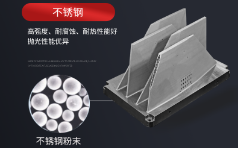
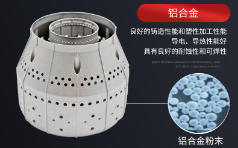
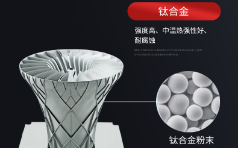
Material Easy Material (High Processability Grade): Aluminum Alloys (e.g., 6061, 7075), brass, some mild steel. Harder materials: stainless steel (especially austenite grade, such as 304/316), titanium alloy, hardened steel, inconel. "Harder" Meaning slower cutting speeds, increasing tool wear, requires a stronger batch efficiency strategy. Discuss material choices with your mechanic as early as possible.
Can Greatlight handle small prototype batches and large production runs?
Absolutely. Although this article focuses on production volume, Greatlight offers a comprehensive service from rapid prototype to mass production. Our advanced five-axis equipment and processes ensure that lessons learned in prototypes directly make your production run beneficial for consistency and speed.
- How do you manage cost control in large quantities?
Cost control comes from optimizing each step: DFM audits to reduce processing time/materials, efficient fixation, batch-oriented tool selection/management, minimize waste through process control, take advantage of material purchase economies of scale, and potentially automated loading/unloading to reduce labor. We provide transparent quotes overview costs.

点击右上角
分享给朋友吧







 长按图片保存/分享
0

